
Winter Joint Pain: What Actually Helps (and Where PRP Fits)
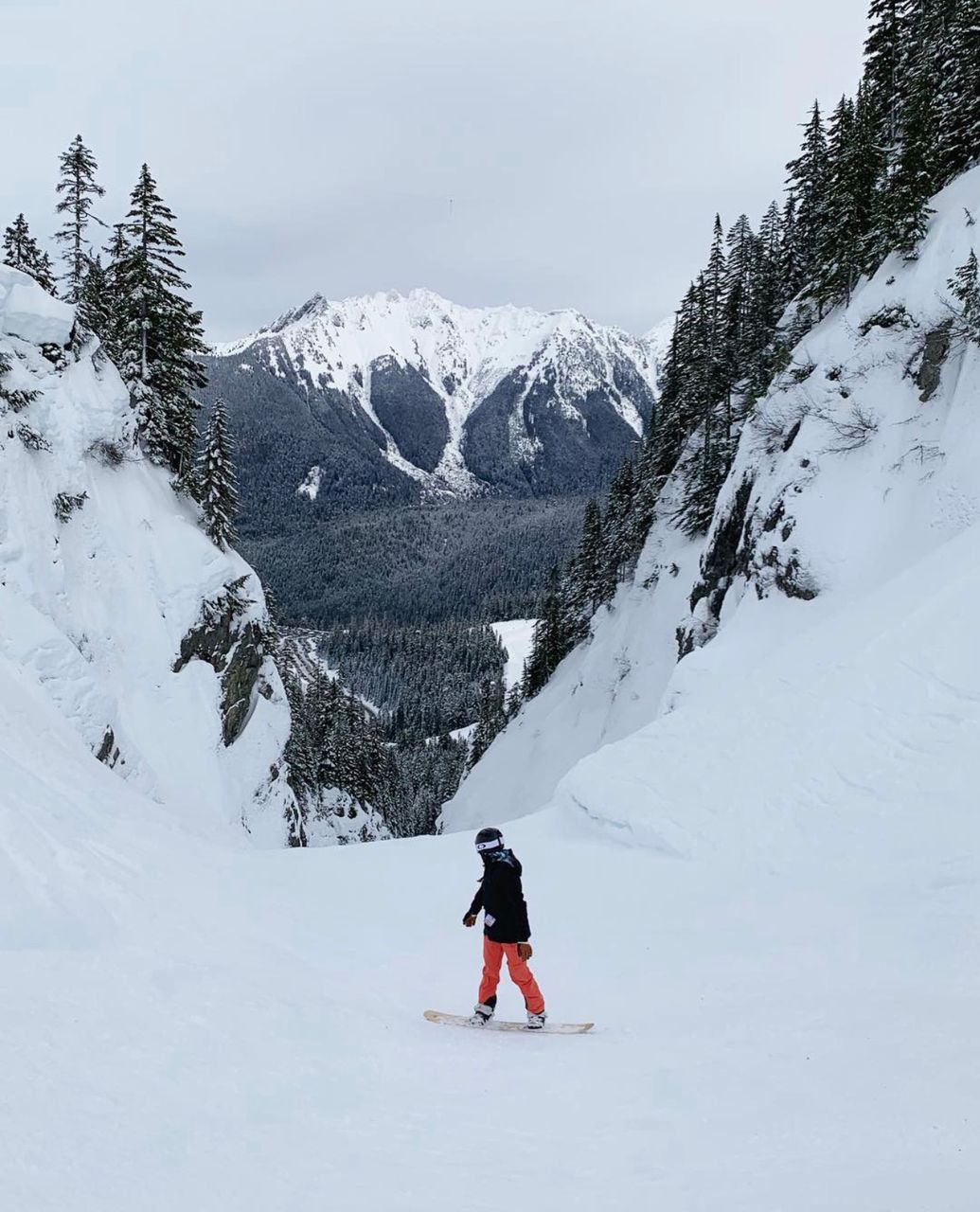
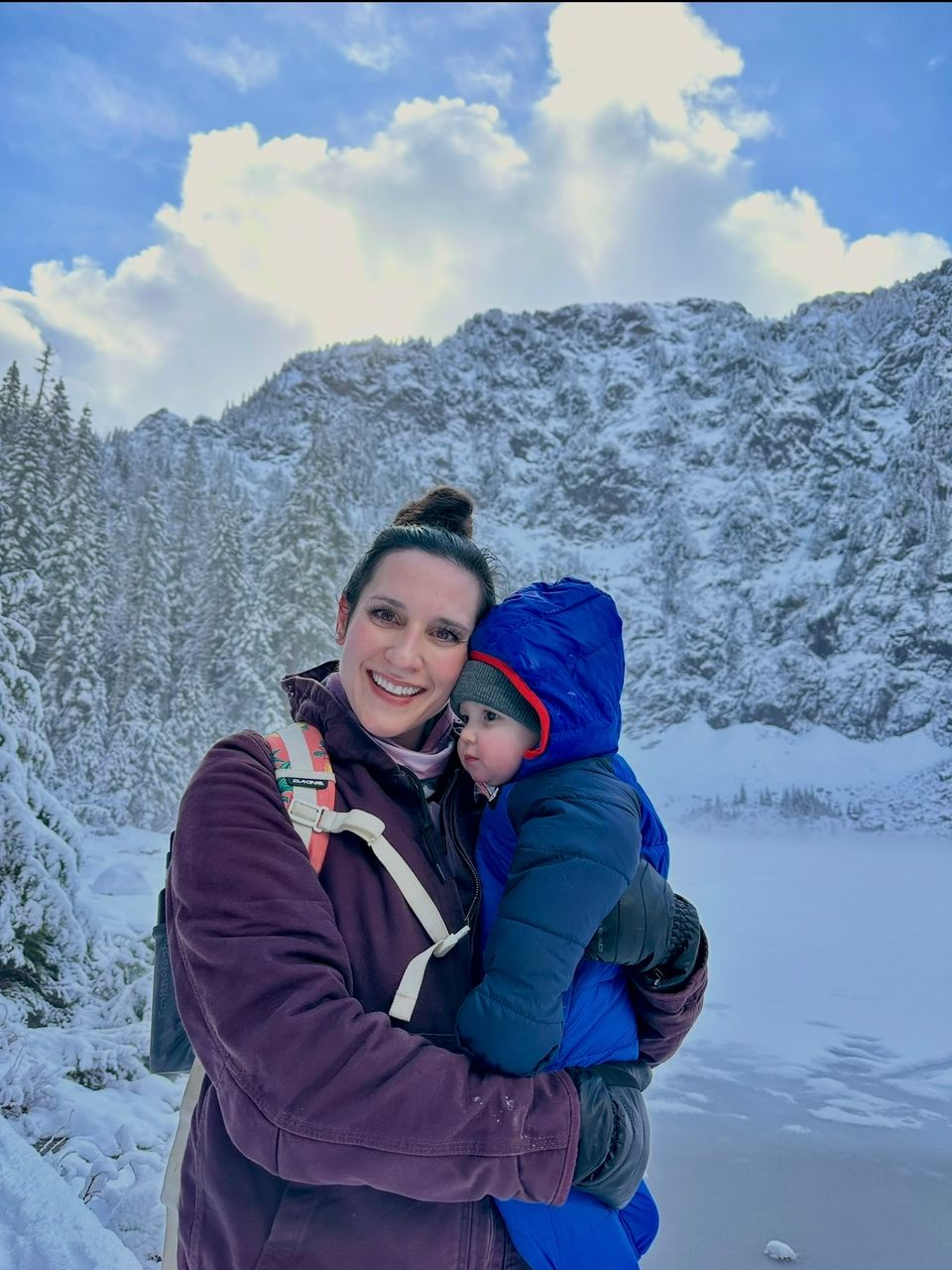
If your knees, hips, or shoulders feel like they’ve aged ten years since the first frost, you’re not imagining it. Every fall I hear the same thing from patients here in Boise: “My joints are so stiff in the cold.” Our winters in the valley are fairly moderate, so many of us keep hiking and trail running all season. When snow is the goal, we head up to Bogus Basin, McCall, or Sun Valley to ski and snowshoe. Add hunting season, hauling firewood, shoveling the driveway, and hanging holiday lights, and your joints stay busy all winter long. Here’s what’s going on and what you can do about it.
Why joints feel worse in winter
Honestly, researchers are still sorting this out. Cold weather doesn’t damage your joints, but it can make an existing problem louder. A few things likely play a role:
- We move less in winter, and joints that don’t move get stiffer.
- Cold muscles and tendons tighten up, so joints feel tighter and less forgiving.
- Changes in barometric pressure may make sensitive joints more irritable.
- Shorter days and holiday eating can nudge weight and inflammation up.
- We ask a lot of our bodies in short bursts, like a long day of skiing, a big hunting pack-out, or a morning of yard cleanup, after weeks of doing less.
Winter is a spotlight, not the cause. If your joints hurt now, they were probably already telling you something.
Start with the basics that move the needle
What PRP in Boise looks like
Keep moving, gently. Low-impact movement keeps joints lubricated and the muscles around them strong. Walking the Boise Greenbelt, cycling, swimming, yoga, and tai chi all count. When the foothills trails at Camel’s Back or Table Rock are icy or muddy, a flat, well-cleared path is easier on your knees and ankles. Warm up before you head out into the cold, and give yourself extra time before skiing, snowshoeing, hiking, or hauling gear.
Strengthen the muscles around the joint. Strong quads, glutes, and core take load off your knees and hips. This is where physical therapy shines. A good PT can find the weak link, correct movement patterns, and give you a plan you can keep up at home. If you ski, hike, hunt, or run the foothills, this is the foundation that keeps you doing it.
Lift weights for your bones. Strength training and weight-bearing exercise help build and maintain bone density, which matters for everyone and especially for women as estrogen drops after menopause. Lifting weights is one of the best ways to help prevent osteoporosis. Stronger bones and muscles protect your joints and lower your fracture risk. If you haven’t talked to your provider about bone density screening, it’s worth asking.
Be honest about body weight. This isn’t always fun to talk about, but it matters. In a study of older adults with knee osteoarthritis, each pound of weight lost was linked to about four pounds less load on the knee with every step. Even modest weight loss can take real pressure off your joints. It’s one of the most effective things you can do, and it’s about overall health, not a number on the scale.
Eat to lower inflammation. Body fat is metabolically active and can promote inflammation, so weight and diet are connected. A Mediterranean-style way of eating is a simple place to start: plenty of vegetables, fruit, olive oil, fish, nuts, beans, and whole grains, with less ultra-processed food, sugar, and alcohol. Getting enough protein also helps maintain the muscle that supports your joints.
Support recovery. Sleep, stress, and hydration all affect how much pain you feel and how well tissue recovers. They’re easy to overlook and worth taking seriously.
Other options for pain relief
Depending on what’s going on, these can help:
- Physical therapy to build strength, improve movement, and give you a plan to follow at home
- Heat, topical anti-inflammatories, or short-term oral anti-inflammatories for flare-ups (check with your provider if you have other health conditions)
- Bracing, taping, or supportive footwear for temporary support
- Chiropractic care, acupuncture, and massage, which some people find helpful for easing pain and stiffness alongside other treatment
- Hyaluronic acid injections for some people with knee arthritis
- Corticosteroid injections can calm a bad flare, but they aren’t ideal as a long-term strategy. In a 2-year trial of knee arthritis, people who got repeated steroid injections lost more cartilage than those who got saline, with no better pain relief. Steroids are also generally avoided in and around tendons because they can weaken the tissue and raise the risk of rupture. And if surgery is a possibility, steroid injections in the months before can increase the risk of infection, which is why many surgeons wait about 3 months after an injection before operating.
- Surgery when the joint is badly damaged or other options haven’t worked
Where PRP fits in
PRP stands for platelet-rich plasma. We draw a small amount of your own blood, concentrate the platelets, and inject them into the joint or tendon. Platelets carry growth factors involved in healing and calming inflammation. Because it comes from your own blood, the risk of reaction is low.
Who might be a good candidate
- People who want an alternative to surgery
- People who want to avoid medications like cortisone that may damage the joint over time
- People who want to use their body’s own tools and resources to improve joint pain and encourage healing, especially for tendon problems
- People with mild to moderate osteoarthritis
- People with chronic tendon problems like tennis elbow or other tendonitis
- People with injuries that have already been evaluated, with a fracture ruled out, such as ligament sprains, partial tears, or meniscus tears, where PRP may help
Who may not be
- Advanced “bone on bone” arthritis, where results are less predictable
- Active infection, certain blood disorders, or blood thinners that can’t be paused
- Anyone hoping for a one-shot cure
Important: If you’ve had a recent injury or fall, or you’re worried about a fracture, get seen at an outside clinic first for an exam and x-rays so a fracture can be ruled out and you can be splinted if needed. PRP is for chronic problems, or for injuries that have already been evaluated.
What the research says
For knee osteoarthritis, multiple meta-analyses of randomized trials found PRP reduced pain more than hyaluronic acid injections at 6 and 12 months. For tendon pain, a pooled analysis of randomized trials found PRP more effective than control injections, and tennis elbow is among the best studied. In tennis elbow, several meta-analyses found that steroid injections work faster in the first weeks, but PRP gave better pain relief and function at 6 to 12 months. Results are less consistent for some tendons, like the Achilles, which is why I’m selective about who I treat. The evidence for ligament sprains and tears is still developing, so for those injuries PRP is an option to consider, not a guarantee.
Studies if you want to read more:
- PRP vs hyaluronic acid for knee osteoarthritis, American Journal of Sports Medicine
- PRP vs hyaluronic acid, 20 randomized trials, Journal of Orthopaedic Surgery and Research
- PRP vs steroid and autologous blood for tennis elbow, PM&R
- PRP for symptomatic tendinopathy, BMJ Open Sport & Exercise Medicine
- Steroid injections and cartilage loss in knee arthritis, JAMA
- Weight loss and knee-joint load, Arthritis & Rheumatism
My honest expectations
PRP isn’t instant, and it isn’t a miracle. Improvement builds gradually in the weeks after your injections. Many people get meaningful pain relief, but results vary and not everyone responds. It works best alongside the basics above, not instead of them. I’ll tell you up front if I don’t think you’re a good fit.
What PRP in Boise looks like
Step 1: Consultation. Before we do PRP, we start with a consultation. We review your history, evaluate the joint or tendon, confirm the diagnosis, and order imaging if needed.
Step 2: The PRP visit. The visit takes about 45 minutes to an hour. We draw your blood, spin it down, and inject it into the treatment area that same day. This is not surgery, and you go home the same day.
See what to expect at your PRP visit
Step 3: A series of injections. I typically recommend a series of injections spaced about 3 to 4 weeks apart.
Frequently asked questions
Where can I get PRP for joint pain in Boise? I offer PRP and regenerative orthopedics through The Citrine Garden Medical Aesthetics and Wellness in the Boise area.
What does PRP treat? PRP is used for joint and tendon pain, including mild to moderate osteoarthritis and chronic tendon problems like tennis elbow and other tendonitis. It may also help certain injuries that have been evaluated with a fracture ruled out, such as ligament sprains, partial tears, and meniscus tears.
Is PRP surgery? No. It’s an in-office procedure using your own blood, and you go home the same day.
How long does a visit take? About 45 minutes to an hour.
How many injections will I need? I typically recommend a series spaced 3 to 4 weeks apart.
Do I need a consultation first? Yes. I like to evaluate you, review your history, confirm the diagnosis, and order imaging if needed before we proceed.
Can I get PRP right after an injury? If you’ve had an acute injury or fall, or you’re concerned about a fracture, get evaluated and x-rayed at an outside clinic first. PRP is for chronic problems or injuries that have already been evaluated.
Will it work for me? Many people get pain relief, but results vary. We’ll talk about your goals and what’s realistic.
Find me in Boise
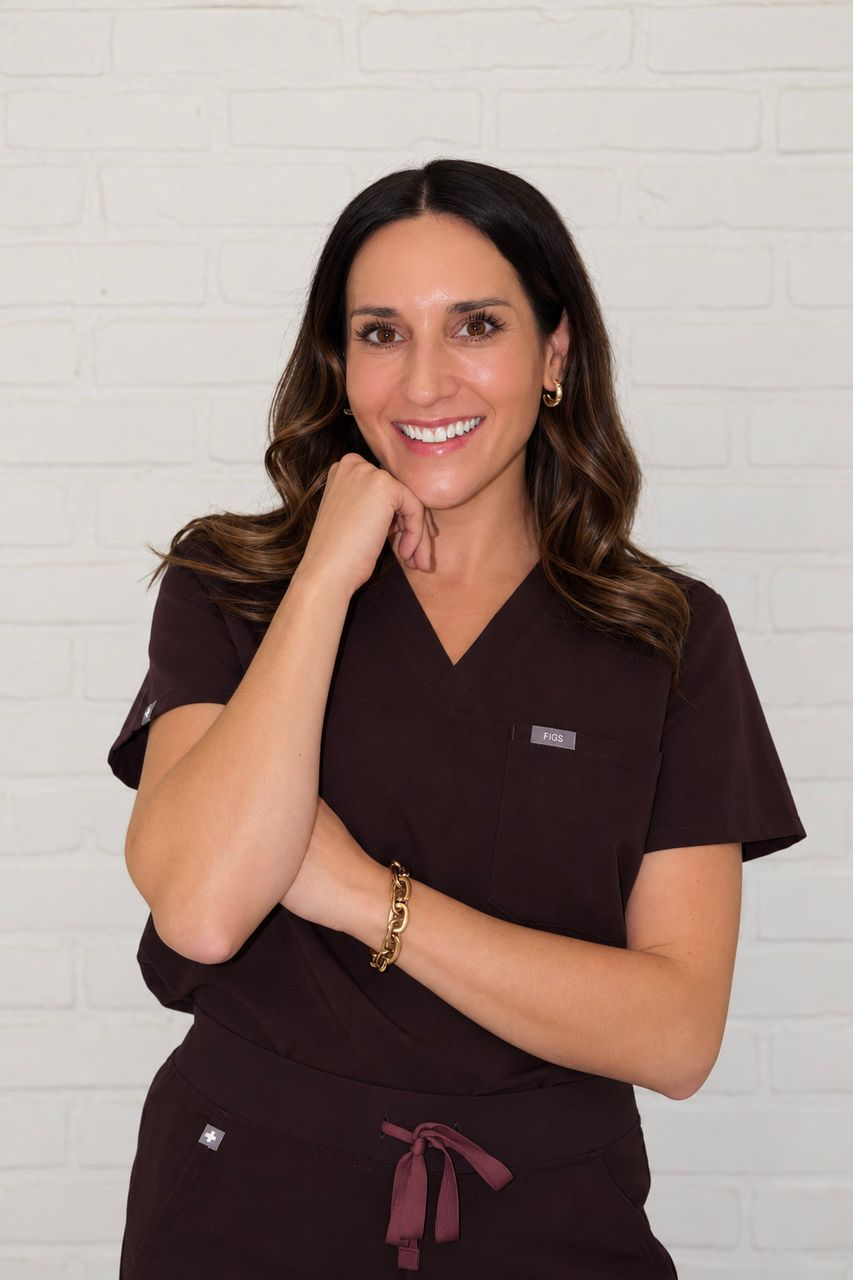
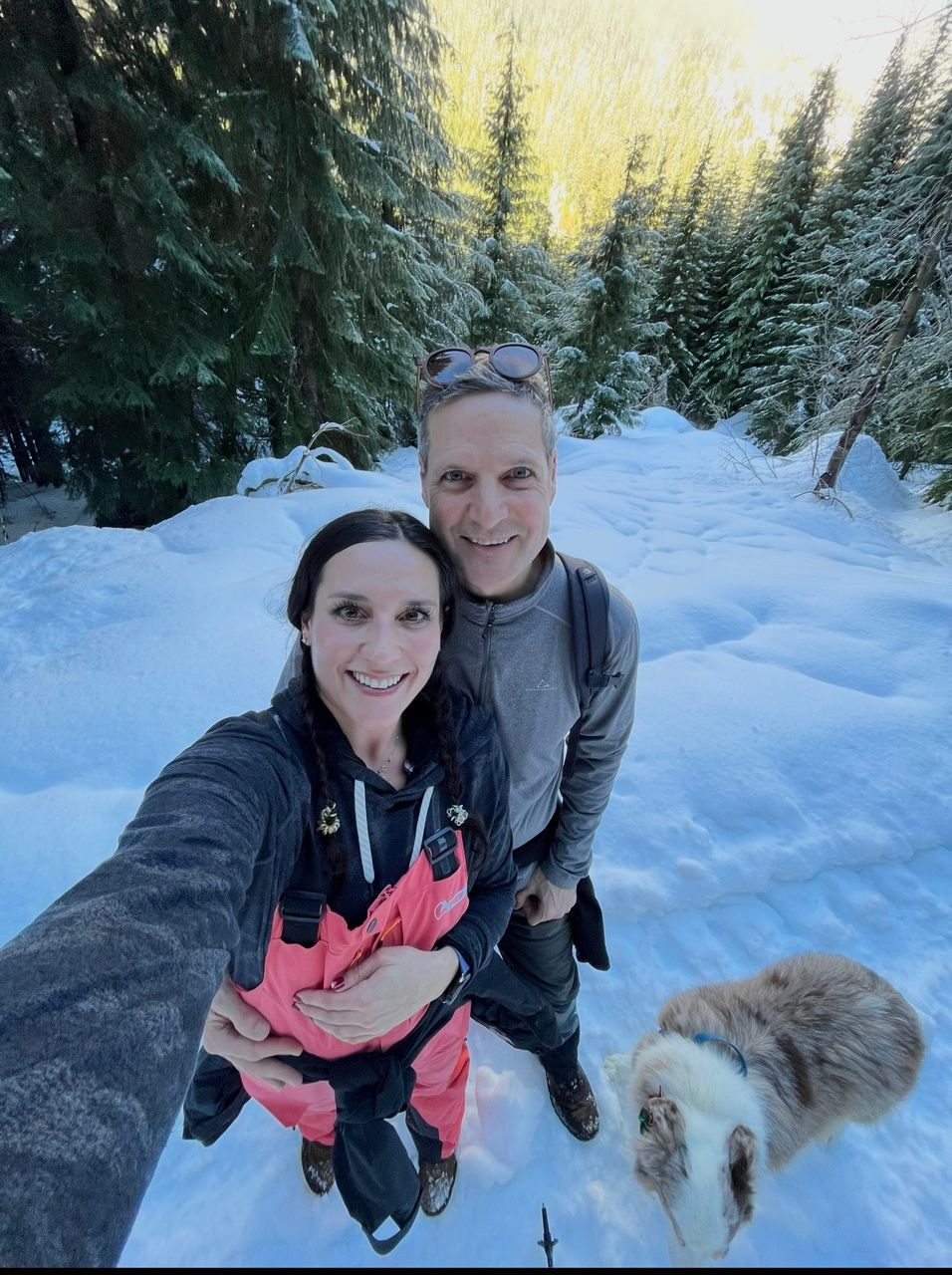
I’m Chelsea Heffner, MPAS, PA-C, a board-certified physician assistant with 11 years of experience in orthopedics. I practice regenerative orthopedics and aesthetics in Boise, Idaho, through The Citrine Garden, and I’m an Idaho native who loves getting outside here as much as you do. Whether you’re skiing at Bogus Basin, hiking the Boise Foothills, hunting in the backcountry, or just trying to get through the winter without stiff knees, I’d love to help you stay active. If you live in Boise, Meridian, Eagle, Nampa, Kuna, or anywhere in the Treasure Valley, I’d be glad to help you build a plan.
Recent Posts


